
Join the BCRRA Pre-Conference Workshops – Sunday, 21 June 2026!
This dedicated workshop day offers focused, practice and research oriented sessions led by experts providing actionable insights and an excellent opportunity to engage with the BCRRA community ahead of the conference:
WS 1: Experimentation and Modelling for Transportation Infrastructure Facing Climate Extremes
WS 2: Geosynthetics in Pavement and Railroad Engineering: Reinforcement and Stabilisation for Roads, Railways, and Airfields
WS 3: Rockfall – From Risk to Resilience for Roads and Railways
WS 4: Traffic Speed Deflectometer Device (TSDD) Quality Control
DaRTS (Deflection at Road Traffic Speed) User Group Meeting
Workshops will run with a minimum of 10 participants. Early registration is recommended by 30 April 2026.
WS 1: Experimentation and modelling for transportation infrastructure facing climate extremes
Transportation infrastructures, including roads, railways and airfields, are fundamental and key components for daily life. In the last decades, climate extremes become more severe, with strong storms, heavy rainfall and flooding, extreme freezing and extremely high temperature. These climate extremes have brought a tough challenge for the long-term operation of the transportation infrastructures. Unravelling the performance of the transportation infrastructure facing climate extremes becomes urgent and necessary.
Our half-day workshop includes experimentation and modelling for transportation infrastructure facing climate extremes. Around 9 presentations from the well-known experts in this field will be delivered during our workshop, to address the topic.
COORDINATOR:
Prof Yu-Jun Cui, École des Ponts ParisTech, France ( yu-jun.cui@enpc.fr )
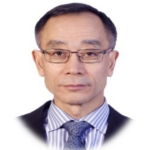
Professor Yu-Jun Cui, doctoral supervisor and expert in unsaturated soil mechanics. Professor Yu-Jun Cui was the head of Geotechnical Engineering Group (CERMES) of Navier Laboratory at ENPC, and is a member of the Council of French Society for Soil Mechanics, a member of Technical Committee of ISSMGE for unsaturated soils (TC106) and for transportation geotechnics (TC202). He is also an Associate Editor of “Canadian Geotechnical Journal”, “Journal of Rock Mechanics and Geotechnical Engineering”, “Transportation Geotechnics” and a Panel Member of “Géotechnique Letters”. He has participated in the management of a number of EU projects and industrial projects related to different applications of unsaturated soil mechanics. His research interests include laboratory testing, constitutive modelling, environmental geotechnical engineering, transportation geotechnics, nuclear waste disposal, lime/cement treatment, soil-vegetation-atmosphere interaction, etc.
Abstract: In the context of global warming related to climate change, the durability of earth structures becomes an increasing concern of geotechnical engineers. In the present study, the soil-atmosphere interaction was investigated through field monitoring and numerical monitoring.
An experimental Embankment was constructed with lime/cement treated soils in Héricourt, France. The volumetric water content, suction as well as runoff were monitored. Results show that using precipitation data only does not allow a correct description of the variations of volumetric water content and suction inside the soils, the consideration of water evaporation being essential. It is possible to use a correlation between precipitation and runoff when precipitation is beyond a threshold. The hydraulic conductivity was found to be a key parameter controlling the variations of volumetric water content and suction.
A fully coupled thermo-hydraulic model was developed, allowing analyzing the changes in temperature, volumetric water content and suction of soil, with the upper boundary conditions at the interface between soil and atmosphere determined using meteorological data. Comparison between simulations and measurements shows the performance of such numerical approach.
CO-ORDINATORS:

Prof Tatsuya Ishikawa, Hokkaido University, Sapporo, Hokkaido, Japan ( t-ishika@eng.hokudai.ac.jp )
Dr. Tatsuya Ishikawa is a Professor of the Faculty of Engineering at the Hokkaido University, Japan. After graduation from Kyoto University, Japan, he worked at East Japan Railway Company as an engineer for about 15 years, including about 7 years’ temporary transfer to Railway Technical Research Institute, Japan. In 2002, he became a faculty member of Hokkaido University. So far, he mainly has studied transportation geotechnics, including disaster prevention against heavy rainfall and frost-heave, from the viewpoints of experimental and analytical research. In the 2022-2026 term, he is the chair of Technical Committee 202 (TC202) on Transportation Geotechnics, International Society for Soil Mechanics and Geotechnical Engineering (ISSMGE), after being the secretary of ISSMGE TC202 during 8 years from 2013 to 2021. Also, from 2013, he is the chair of TC202 Japanese Domestic Committee of Japanese Geotechnical Society. In addition, he is the editorial board member of Transportation Geotechnics Journal and the associate editor of Journal of Soils and Foundations. Moreover, as the head of the geotechnical disaster survey teams for the August 2016 Hokkaido heavy rainfall and the 2018 Hokkaido Eastern Iburi earthquake etc., he has been engaged in maintaining and securing a safe and secure living environment for residents and developing civil engineering projects in Hokkaido, Japan, from the perspective of disaster prevention and mitigation against the natural disasters under the climate change.
Abstract: The mechanical behavior of base course and subgrade materials in asphalt pavements is strongly influenced by temperature and moisture conditions, particularly in cold regions where freeze–thaw actions are significant. Laboratory and field observations demonstrate that increases in degree of saturation and repeated freeze–thaw cycles lead to substantial reductions in stiffness and accelerated deterioration. Based on these findings, constitutive modeling approaches that incorporate the coupled effects of temperature, moisture, and stress dependency of resilient modulus are essential for realistic pavement performance evaluation. In this study, such material models are implemented into a thermo–hydro–mechanical (THM) coupled finite element framework, namely the Mechanistic–Empirical Pavement Structure Coupled Analysis (MEPSCA). The model simulates time-dependent variations in temperature and moisture distributions within pavement structures under realistic climatic boundary conditions, enabling the evaluation of stress–strain responses and damage accumulation throughout the year. In this study, two application examples are presented to demonstrate the capability of the proposed approach. First, the effectiveness of a geosynthetic drainage material (Wicking Fabric, WF) is evaluated. The results show that WF reduces moisture accumulation in base and subgrade layers, maintains higher stiffness, and extends pavement life by approximately 1.2–1.5 times. Second, the model is applied to assess pavement performance under future climate scenarios. Climate projections indicate that increased rainfall intensity and more frequent freeze–thaw cycles will enhance moisture-related deterioration, potentially shortening pavement service life compared to current design assumptions. These results highlight the importance of integrating environmental effects into pavement design and demonstrate the effectiveness of THM-based approaches for developing resilient infrastructure under changing climate conditions.

Dr Han-Lin Wang, Hunan University, China ( wanghanlin@hnu.edu.cn )
Han-Lin Wang is a professor in College of Civil Engineering, Hunan University. He also serves as the Associate Dean of National Graduate College for Elite Engineers, Hunan University. He obtained Bachelor and PhD degrees from Zhejiang University. Before joining Hunan University, he studied or worked in Ecole des Ponts ParisTech, University of Macau, Cardiff University and The Hong Kong Polytechnic University. In 2021, he was awarded the Distinguished Young Scholar (Overseas) from the National Natural Science Foundation of China. His research focuses on transportation geotechnics, with 12 publications in Géotechnique, Journal of Geotechnical and Geoenvironmental Engineering, and Canadian Geotechnical Journal. His relevant investigations have been adopted in several practical engineering projects, including several tunnelling projects in Changsha and Shenzhen, substructure maintenance for TGV high-speed railway lines in France. He is currently a Corresponding Member of TC202 (Transportation Geotechnics) in International Society for Soil Mechanics and Geotechnical Engineering (ISSMGE). He was elected as the secretary of the Task Force 6 “Climatic effects on geomaterial behaviour related to mechanics of unsaturated transportation foundations” for TC202. He serves as the Editorial Member or Editor of Special issues in several journals, including Transportation Geotechnics, Transportation Infrastructure Geotechnology, etc. In 2024, he was awarded the “Bright Spark Lecture Award” by ISSMGE in the 5th International Conference on Transportation Geotechnics.
Abstract: Climate change may alter the moisture condition of compacted clay in geotechnical structures through climatic processes. The mechanical response of unsaturated compacted clay is also affected by the dry density. The combined influence of water content and dry density on soil arching under different loading conditions remains unclear. A series of trapdoor tests were conducted to investigate the active and passive soil arching effects in unsaturated compacted clay under different water contents and dry densities. Displacement and stress evolutions during tests were captured using digital image correlation (DIC) technique and embedded earth pressure sensors. The results indicate that both water content and dry density have significant effects on the development of active and passive soil arching. For the active soil arching effect, three deformation patterns are observed, including beam-arching, structural arching, and progressive arching. For the passive soil arching effect, three failure patterns can be identified, namely tensile-shear failure, shear failure, and continuous deformation. Based on critical-state analysis, quantitative criteria were developed to differentiate these arching patterns, incorporating the effects of matric suction, internal friction angle and tensile strength. A deformation-dependent model for active and passive soil arching in compacted clay was developed based on the three failure patterns. Relationships among the internal friction angle, cohesion, and shear strain of soil within the shear band were proposed. Validation against experimental results showed a strong agreement between predicted and observed patterns.

Prof António Gomes Correia, Universidade do Minho, Portugal ( agc@civil.uminho.pt )
António Gomes Correia is Professor Emeritus and holds a Civil Engineering degree (IST, Portugal, 1977), a Doctor-Engineer degree (ENPC, France, 1985), and a Habilitation (IST, Portugal, 1998). With over 600 publications, his career spans transportation infrastructure and digitalisation in geotechnics, with a focus on geomaterials and geotechnologies. He received the Manuel Rocha Award (1987), became a specialist at Portugal’s National Laboratory of Civil Engineering (LNEC), and served as Full Professor at the University of Minho (2003–2020), including in leadership roles such as Vice-Dean of the School of Engineering. Since 2021, he has been Professor Emeritus at the University of Minho, continuing to contribute to geotechnics through research, editorial leadership, and international collaboration. He chaired ISSMGE’s ETC 11 (1998–2001), TC 3 (2001–2009), and TC 202 – Transportation Geotechnics (2009–2013), and co-delivered ISSMGE’s 2nd webinar on Intelligent Compaction. He founded the Transportation Geotechnics conference series, launched the Young Transportation Geotechnics Engineers Forum, and co-founded the International Society for Intelligent Construction (ISIC). A founding editor of Elsevier’s Transportation Geotechnics, he is also Editor-in-Chief of Transportation Engineering. His honours include the XXXIII Manuel Rocha Lecture (2016), the 2nd Proctor Lecture (2017), the 23rd Šuklje Lecture (2024), and the 30th Széchy Memorial Lecture (2025). More details are available at his ORCID profile: (https://orcid.org/0000-0002-0103-2579).

Winter Associates, UK
Dr Mike Winter, Winter Associates, UK (mwinter@winterassociates.co.uk)
Mike Winter is director/owner at Winter Associates and a Chartered Civil Engineer (FICE), Chartered Geologist and UK Registered Ground Engineering Adviser. He currently works in Scotland, England, Canada, China and India on a wide range of physical, social and economic adaptation and resilience activities including those related to inter alia landslides, floods, and wildfire, with a focus on hazard and risk assessment, and risk reduction. He was technical lead for the policy-setting Scottish Road Network Landslides Study, led inputs to the EU FP7 SafeLand project on global landslide risk, and was Head of Ground Engineering and Honorary Chief Scientist at TRL. His work in 37 countries has been published in around 350 peer-reviewed publications (journal papers, book chapters, conference papers, etc.) many of which have shaped current professional practice through national/international standards, best practice guides and teaching. He is Visiting Industrial Professor of Engineering Geology & Geotechnics at the University of Portsmouth and Visiting Professor in the UNESCO-Chair Programme on Geoenvironmental Disaster Reduction at Shimane University. He is a Vice Chair of the ISSMGE TC202 on Transportation Geotechnics, a founding editorial board member of Transportation Geotechnics, and emeritus Chief Scientific Editor of the Quarterly Journal of Engineering Geology & Hydrogeology.
Abstract: Typically, when we consider climate change, we think of the future flux and impacts. However, in this presentation the opportunity will be taken to explore the annual and seasonal changes in climatic rainfall patterns experienced in Scotland from 1836 to 2025. These show quite significant trends of increasing annual average rainfall of around 52mm for the 20-year period from 2006 to 2025. With a land area of 77,901km2 (excluding inland water bodies) the increase in the annual average rainfall equates to slightly in excess of an average additional 4Mm3 of water falling as rainfall each year or around 32,400 three-bedroom houses (the houses of a city with a population 100,000 to 130,000 People) or slightly in excess of 3.5 Wembley Stadiums.
While these numbers are clearly significant it is clear that the temporal distribution is not constant with Winter (21mm) and Autumn (17.5mm) accounting for almost 75% of the increase, with Spring (10.5mm) accounting for an additional 20%, indicating that Summer (<3mm) sees relatively slight change (<6%). This disparity is further emphasised by the geographical variations in rainfall with annual averages ranging from around 679mm (range 376mm to 1090mm) in Edinburgh in the east of Scotland to 3,930mm (range 2,732mm to 4,983mm) on the Isle of Skye in the west. It is thus clear that not only is the average increase significant but that its effects are likely to be amplified on temporal and areal bases.
In addition to presenting this data I will also present sample data taken from more than 40 sites in Scotland which have been studied in more detail in response to landslide and/or flooding events (the sites also include three control sites). Some site-specific observations and very tentative conclusions regarding the changes in rainfall observed over periods indicative of climate will be made as will some relating to the pattern of rainfall that is associated with debris flow events and the way such events patterns have changed in the recent past and the impacts on the Trunk (Strategic) Road Network in Scotland.

University of Leeds, UK
Dr Ana Heitor, University of Leeds, UK
Ana Heitor is a researcher in geotechnical engineering with a focus on the sustainable performance of soils and infrastructure under changing climatic conditions. Her work examines the behaviour of compacted soils subjected to environmental loading, with particular emphasis on small strain stiffness, unsaturated soil mechanics, and wetting–drying cycles. Ana combines laboratory experimentation with advanced interpretation techniques to better understand climate‑driven deterioration processes. She is interested in resilience‑based design and the translation of fundamental soil behaviour into practical guidance for earthworks and transport infrastructure. She has authored over 45 scholarly papers and secured over £1.2 million in research income from national and international sources, including UKRI, EU Horizon Europe, Australian Research Council and industry partnerships.
Abstract: Climate change is intensifying wetting and drying cycles (frequency and amplitude of change) which in turn is accelerating the deterioration of compacted soils used in earthworks and infrastructure. This presentation examines the role of climate‑driven deterioration on the small strain stiffness behaviour of compacted soils. Emphasis is placed on the microstructural changes induced by repeated moisture variations and their influence on stiffness degradation at small strains. Experimental observations from laboratory testing under controlled wetting–drying regimes are discussed to highlight trends in stiffness evolution. The findings contribute to improved understanding of soil resilience under changing climatic conditions, supporting more reliable design and long‑term performance assessment of geotechnical structures.
PROGRAMME
| Time | Presenter | Presentation topic |
|---|---|---|
| 13:30–14:00 | Registration | |
| 14:00–14:10 | Tatsuya Ishikawa (Hokkaido University) | Welcome speech |
| 14:10–14:40 | Yu-Jun Cui (École des Ponts ParisTech) | Soil-atmosphere interaction in embankments: field monitoring and numerical modelling |
| 14:40–15:10 | Joel Smethurst (University of Southampton) | The impact of climate change on the performance of clay earthworks in the UK |
| 15:10–15:40 | Mike Winter (Winter Associates Limited) | Climate change rainfall and debris flow – past and present |
| 15:40–16:00 | Group photo & Coffee break | |
| 16:00–16:30 | Tatsuya Ishikawa (Hokkaido University) | Pavement life prediction under cold and changing climate based on thermo-hydro-mechanical characterisation of geomaterials |
| 16:30–17:00 | Ana Heitor (University of Leeds) | Role of climate driven deterioration in compacted soils |
| 17:00–17:30 | Han-Lin Wang (Hunan University) | Climate-related active and passive soil arching in unsaturated compacted clay |
| 17:30–18:20 | Round-table discussion hosted by António Gomes Correia, Universidade do Minho, Portugal) | |
| 18:20–18:30 | Yu-Jun Cui (École des Ponts ParisTech) | Ending speech |
WS 2: Geosynthetics in Pavement and Railroad Engineering: Reinforcement and Stabilisation for Roads, Railways, and Airfields
This workshop, jointly supported by the IGS Technical Committees TC-R (Reinforcement) and TC-RRA (Roads, Railways and Airfields), will explore the state of the art in the use of geosynthetic materials in pavement engineering, with a particular focus on applications for the reinforcement and stabilisation of roads, railways, and airfields. Through expert presentations, case studies, and interactive discussions, participants will gain insights into design approaches, performance evaluation, and future research needs for sustainable and resilient infrastructure.
Workshop Overview
Geosynthetics provide sustainable solutions that improve the performance, durability, and cost-effectiveness of transportation infrastructure, including roads, railways, and airfields. This workshop will offer a focused platform to explore the use of geosynthetics in pavement structures and railway track systems, covering:
- the mechanisms governing their performance in different applications;
- key geosynthetic properties relevant to design and long-term behaviour;
- available design approaches and methodologies and
- case studies demonstrating real-world implementation.
Coordinator:
Stanislav Lenart, Slovenian National Building and Civil Engineering Institute (ZAG), stanislav.lenart@zag.si

Dr. Stanislav Lenart is a head of The Section for Geotechnics at Slovenian National Building and Civil Engineering Institute (ZAG). His main research interest is related to the testing in geomechanics, the use of geosynthetic materials and dynamically loaded soils, for which he also received his PhD at the University of Ljubljana. He is Scientific Councillor at ZAG, where he has been employed since 2000. He advanced his studies at the University of Bristol and Technical University of Lisbon. He was awarded with Postdoctoral Fellowships for Research in Japan by JSPS in 2011. During all his research career, his research work is based on experimental work, where he gained most advanced geotechnical laboratory testing techniques. Thus, he is also a member of GEOLAB research infrastructure consortium consisting of 11 unique installations in Europe aimed to study subsurface behavior and soil-structure interactions. He leaded research work, design and protype testing in real environment for the first GRS integrated bridge with FHR facings in Europe. He is a founding member and first president of Slovenian Chapter of IGS (International Geosynthetic Society). He was principal researcher in 5 national and 11 international (European, H2020) research projects, and coordinated 3 of them. He participated also in several COST actions. He is the head of the scientific committee for infrastructure and signaling at EURNEX (European Rail Research Network of Excellence), a member of ERRAC (European Rail Research Advisory Council) and a member of IGS Technical Committee for Reinforcement.
Co-coordinators:
Ivan Puig Damians, Universitat Politècnica de Catalunya, Spain, ivan.puig@upc.edu

Dr. Ivan P. Damians is a civil and geotechnical engineer with nearly 20 years of experience in university teaching, research, and specialized professional practice. He holds a PhD in Geotechnical Engineering from Universitat Politècnica de Catalunya-BarcelonaTech (UPC), where his research focused on the mechanical behavior and sustainability assessment of reinforced soil walls. Dr. Damians has published extensively in peer-reviewed journals and international conferences. Since 2007, he has taught undergraduate and graduate geotechnical engineering courses at UPC-BarcelonaTech, coordinated sustainability-oriented coursework, and supervised numerous bachelor’s, master’s, and doctoral theses. In parallel with his academic career, he has developed a strong professional profile as a geotechnical engineer and R&D Manager of the VSoL systems at VSL International as well as Associate Research Professor at International Centre for Numerical Methods in Engineering (CIMNE), contributing to major international projects on thermo-hydro-mechanical modelling for deep geological nuclear waste disposal. He is actively involved in international technical committees and is currently Chair of the TC-Reinforced Fill of the International Geosynthetics Society, reflecting his international leadership and recognition in geotechnical engineering.
Erol Tutumluer, University of Illinois Urbana-Champaign, USA, tutumlue@illinois.edu

Dr. Erol Tutumluer is Abel Bliss Professor specializing in Transportation Geotechnics in the Department of Civil and Environmental Engineering at the University of Illinois Urbana-Champaign. He is an ASCE Distinguished Member, the highest honor reserved for civil engineers who have achieved eminence in the profession. Dr. Tutumluer has been active in geosynthetics engineering research, education, and practice for more than 25 years. He has research interests and expertise in characterization of pavement and railroad track geomaterials, i.e., subgrade soils and base/ballast unbound aggregates, and geosynthetics. He has completed major studies on subgrade restraint and unbound aggregate stabilization applications of geogrids and geotextiles. He has served as an investigator on over 140 research projects, graduated 28 PhD and 47 MS students, and authored/co-authored over 400 peer reviewed publications. Dr. Tutumluer is a Council Member of the International Geosynthetics Society (IGS) and serves as Chair of the Technical Committee (TC) on Roads, Railways and Airfields. He is the Editor-in-Chief of the Transportation Geotechnics Elsevier journal and the immediate past Chair of the ISSMGE TC 202 on Transportation Geotechnics. Dr. Tutumluer received the 2023 IGS Award in recognition of his significant contributions towards the use of geosynthetics in roadways, railways, and airfields.
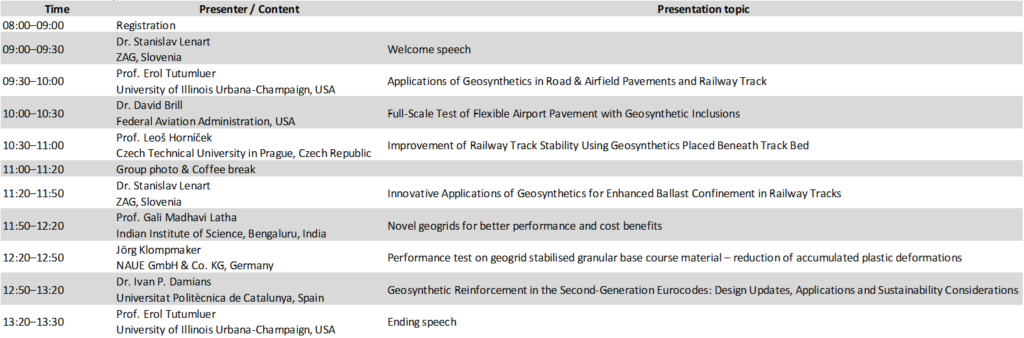
Programme
1.
Presenter: Prof. Erol Tutumluer, University of Illinois Urbana-Champaign, USA
Title: Applications of Geosynthetics in Road & Airfield Pavements and Railway Track
Geosynthetics provide sustainable alternatives for enhanced performance, durability and cost-effectiveness of road pavements, railways, and airfields. Even when the same geosynthetic products are used for constructing these different transportation facilities, an optimal approach is needed to match the properties of soils or unbound aggregate geomaterials and the geosynthetic products to establish an improvement considering geosynthetic’s effective mechanism This lecture presents key transportation applications of geosynthetics, design methods, and the recent research findings when geosynthetics are used in road and airfield pavements and ballasted railway tracks.
2.
Presenter: Dr. David Brill, Federal Aviation Administration, USA
Title: Full-Scale Test of Flexible Airport Pavement with Geosynthetic Inclusions
Current Federal Aviation Administration (FAA) standards (AC 150/5370-10) in the USA allow some use of geosynthetic materials in Federally funded airport pavement construction, but do not consider any reduction in pavement structural thickness. To explore potential uses of geosynthetics with heavy aircraft loads, the FAA conducted full-scale tests of geosynthetic-reinforced flexible pavements in Construction Cycle 9 at the National Airport Pavement Test Facility (NAPTF) in 2021- 2022. This presentation will discuss the results and limitations of these tests. Testing was inconclusive as to the structural benefit from geogrid reinforcement; however, installed bender element sensors demonstrated increased stiffening in the vicinity of the geogrid.
3.
Presenter: Prof. Leoš Horníček, Czech Technical University in Prague, Czech Republic
Title: Improvement of Railway Track Stability Using Geosynthetics Placed Beneath Track Bed
The lecture will focus on both effective stabilization of the track bed and mitigation of the pumping effect using geosynthetic products (geogrids and geocomposites). Several case studies from measurements in laboratory conditions and from verification of structures in test sections of railway lines in the Czech Republic will be presented. The monitoring techniques used and findings from long-term monitoring of test sections will be described.
4.
Presenter: Dr. Stanislav Lenart, Slovenian National Building and Civil Engineering Institute (ZAG), Slovenia
Title: Innovative Applications of Geosynthetics for Enhanced Ballast Confinement in Railway Tracks
Increasing lateral confinement improves track stiffness and reduces both resilient and permanent deformations, which is particularly critical when secondary ballast materials are applied due to their lower internal friction compared to conventional crushed stone. This study presents the development of a cost-effective ballast confinement system compatible with standard railway maintenance practices. The proposed concept integrates reused ballast with rubber inclusions and prefabricated shoulder elements connected by a horizontal geosynthetic reinforcement layer installed at the ballast base. The shoulder elements provide enhanced lateral restraint while simultaneously serving as structural foundations for near-rail noise barriers, enabling multifunctional use and reducing overall ballast demand.
5.
Presenter: Prof. Gali Madhavi Latha, Indian Institute of Science, Bengaluru, India
Title: Novel geogrids for better performance and cost benefits
The mechanical performance of geogrids is strongly influenced by aperture geometry, which plays a key role in soil–reinforcement interaction. While conventional geogrids typically have square or rectangular apertures, newer configurations such as triaxial and hexagonal shapes require systematic evaluation. In this study, four geometries—square, triaxial, hexagonal, and InterAx (a hybrid pattern)—were fabricated using FDM 3D printing with PLA filament and tested through interface direct shear and tensile tests. The InterAx geogrid exhibited the highest interface shear coefficient and tensile strength. However, cost analysis showed that hexagonal geogrids provided the greatest economic benefit, reducing material consumption by approximately 60% compared to square apertures. The results highlight the importance of aperture geometry in achieving both mechanical efficiency and cost-effective geogrid-reinforced soil systems.
6.
Presenter: Jörg Klompmaker, NAUE GmbH & Co. KG, Germany
Title: Performance test on geogrid stabilised granular base course material – reduction of accumulated plastic deformations
Unbound base courses are subjected to high cyclic and dynamic stresses induced by traffic loading. Because unbound aggregate has negligible tensile capacity, geogrids with high tensile stiffness are commonly used to stabilise these layers. In this study, field measurements and systematic large-scale cyclic triaxial tests were conducted to quantify the influence of the geogrid on base course performance. Test conditions were selected to reflect representative stress paths and deformation levels typical of transport infrastructure. The results show that the geogrid reduced accumulated plastic deformation by approximately a factor of two, leading to a clear improvement in serviceability, even though measurable strains in the geogrid remained very small. In addition, soil mechanical parameters for the reinforced composite were determined using plate load testing and a modified triaxial test set-up.
7.
Presenter: Dr. Ivan P. Damians, Universitat Politècnica de Catalunya, Spain
Title: Geosynthetic Reinforcement in the Second-Generation Eurocodes: Design Updates, Applications and Sustainability Considerations
This talk presents the main updates introduced in the second-generation Eurocodes concerning the design of geosynthetic materials, with particular emphasis on basal reinforcement. The presentation will address practical applications, revised approaches to reduction factors and partial safety factors, and their implications for durability and long-term performance. The consequences of these developments for sustainability assessment and performance-based design will also be discussed.
Programme
WS 3: Rockfall – From Risk to Resilience for Roads and Railways
Rockfall hazards present complex challenges that require thoughtful, site-specific solutions. To foster deeper understanding, encourage professional exchange, and connect research with engineering practice, we cordially invite you to our upcoming technical workshop focused on practical approaches to rockfall protection.
The workshop will explore the boundary conditions that shape rockfall protection projects, including terrain geometry, spatial constraints, construction timelines, environmental considerations, and the characteristics of potential impact scenarios. Through technical discussion and case-based insights, we aim to identify effective ways to address these challenges while also presenting innovations, system optimisations, and complementary solutions for resilient and efficient protection design.
Coordinator:
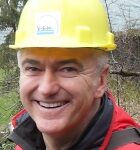
Vjekoslav Budimir, Geobrugg AG, Croatia ( Vjekoslav.Budimir@geobrugg.com )
Vjekoslav Budimir serves as Country Manager for the Western Balkans region, overseeing market development and client relations. Since 2006, he has successfully expanded the company’s regional business presence, strengthened key partnerships, and built long-term customer trust. With deep market knowledge and a strong commitment to sustainable growth, he plays a vital role in driving regional performance and developing robust commercial networks.
Co-Coordinator:
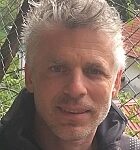
Tomaž Cej, Rejda, Slovenia ( tomaz.cej@rejda.si )
Tomaž Cej is a specialist in erosion mitigation strategies and the management of unstable terrain, with more than twenty years of professional experience in the design and implementation of complex stabilization and protective measures. Since 2007, he has collaborated with Geobrugg AG. His work includes numerous projects and technical studies related to rockfall, torrential processes, erosion control, and dynamic protection systems. He also regularly contributes as an external expert lecturer at universities and other professional institutions in the fields of forestry, environmental studies, and engineering.

Leonhardt Volker, Geobrugg AG, Switzerland ( volker.leonhardt@geobrugg.com )
Volker Leonhardt serves as Regional Manager for Central and Eastern Europe and Türkiye, leading regional business development and managing diverse teams across multiple markets. With strong expertise in growth strategies, partnership management, and operational excellence, he oversees key initiatives that expand market presence and enhance organizational performance. His international background, analytical mindset, and leadership skills enable him to deliver sustainable results in dynamic business environments.
Programme
| Time | Presenter / Content | Presentation topic |
|---|---|---|
| 13:00 – 14:00 | Registration | |
| BOUNDARY CONDITIONS AND PUBLIC PERCEPTION | ||
| 14:00 – 14:45 | Volker Leonhardt, Geobrugg AG | Protection in the Public Eye: Perception, Impact, Reality |
| 14:45 – 15:15 | Vjekoslav Budimir, Geobrugg AG | Risk assessments rockfall events |
| MATCHING REQUIREMENT WITH SOLUTION | ||
| 15:15 – 15:45 | Volker Leonhardt, Geobrugg AG | Testing What Truly Matters: Load Cases Beyond the Standards |
| 15:45 – 16:15 | Group photo & Coffee Break | |
| TAILORING THE SOLUTION | ||
| 16:15 – 16:45 | Tomaž Cej, Rejda | Function and Comparison: GBE, RXE, and ROCCO |
| 11:45 – 17:15 | Tomaž Cej, Rejda | Geobrugg GUARD: Remote Status Monitoring |
WS 4: Traffic Speed Deflectometer Device (TSDD) Quality Control
TSDD measurements have become established worldwide for bearing capacity assessment within a very short time. Extensive experience is now available regarding complex field operation, data evaluation, and interpretation, and this experience is increasingly reflected in regulations. A key element is quality-assured operation. While many lessons can be drawn from FWD practice and other methods, TSDD also brings new and complex challenges.
This workshop will present current experience and regulations, as well as ongoing challenges. Participants will discuss the requirements, opportunities, and limitations associated with network-wide use of TSDD, considering both client and contractor perspectives.
Coordinator:
Dirk Jansen, BASt, Germany ( jansen@bast.de )
Co-coordinators:
- Susanne Baltzer, Danish Road Directorate
- Chad Murnane, ARRB Systems, Australia
Programme
the ½ day workshop will consist of four modules. Two fundamental perspectives will be considered. Firstly, the technical possibilities, potential, and difficulties in the context of quality assurance for TSDD measurements will be examined. Secondly, the requirements of road construction authorities and the impact of data quality on decision-making will be discussed. The workshop will be interactive.
The organizers, speakers, and participants in the panel discussion represent manufacturers, service providers, measurement companies, road construction authorities, and academia.
| Modul | Content |
|---|---|
| 1 | Status Quo & Impulses Dirk Jansen, BASt – Welcome & live polling – Keynote: TSDD worldwide – from research to guidelines |
| 2 | The inner values – quality & evaluation David Malmgren-Hansen, Greenwood Engineering / Herman Visser, ARRB Systems / Susanne Baltzer, DRD – Technical presentation: Quality assurance through advances in technology – Technical presentation: Quality assurance through comparison |
| 3 | Change of perspective Jerome Daleiden, ARRB Systems / Gerardo Flintsch, Virginia Tech / Susanne Baltzer, DRD / Dirk Jansen, BASt – Case studies – Moderated discussion |
| 4 | Wrap-up & Take-aways Susanne Baltzer, DRD / Dirk Jansen, BASt |
DaRTS (Deflection at Road Traffic Speed) User Group Meeting
The DaRTS user group is a global forum and exchange platform dedicated to the practical application and technology development of measuring road pavement strength and structural condition at traffic speeds. Founded in 2012 by the Transport Research Laboratory (TRL) in London, the group is now jointly led by the Federal Highway and Transportation Research Institute of Germany (BASt), TRL, and National Highways of England.
The group brings together an international family of experts—including pavement operators, data analysts, researchers, equipment manufacturers, and road authorities from Europe, North and South America, Australia, and Africa. Its core mission is to share knowledge, discuss network-level evaluation projects, and advance Traffic Speed Deflectometers Devices (TSDD) technology. By shifting away from traditional stationary testing methods (such as the Falling Weight Deflectometer), DaRTS focuses on continuous, high-resolution measurements captured at traffic speeds up to 80 km/h—significantly improving safety, efficiency, and data accuracy for sustainable road asset management and infrastructure rehabilitation.
Attendance at the meeting is free of charge and open to anyone interested.
More information: https://sites.google.com/view/darts-group
Programme
| 14:05–15:45 | Technical Session 1 | ||
| Time | Presenter | Presentation Title |
| 14:05–14:20 | Magnus Holmsteen Jørgensen | Newest Research with TSD Indexes and Line-Scan and TSD Sensor Fusion |
| 14:20–14:35 | Timo Saarenketo | Using TSD Data in Pavement Diagnostics |
| 14:35–14:45 | Graham Salt | Sinkhole Potential: Rapid Low-Cost Identification |
| 14:45–15:05 | Ramez Hajj | Sensitivity Evaluation of Temperature Correction Techniques for TSD Data |
| 15:05–15:25 | Sam Afkar | Significance of Additional Sensors in the Trailing Portion of the TSD Deflection Bowl |
| 15:25–15:45 | Jerry Daleiden | Incorporation of Structural Response in Pavement Management |
| 15:45–16:00 | Coffee Break | ||
| 16:00–17:25 | Technical Session 2 | ||
| Time | Presenter | Presentation Title |
| 16:00–16:20 | Jerry Daleiden | Global Initiatives to Advance Comprehensive Pavement Assessment |
| 16:20–16:40 | Rami Chkaiban | Potential Use of AASHTOWare Pavement ME Design (PMED) and Back-Calculation Tool (BcT) in Traffic Speed Deflectometer Devices (TSDDs) Road Evaluation and Design |
| 16:40–16:50 | Martin Wiström | Updates on RAPTOR |
| 16:50–17:10 | Mehdi Kalantari | BEPROACT TSD Framework Tool |
| 17:10–17:25 | Dirk Jansen | TSD Quality Control Tool |
| 17:25–17:30 | Summary and Farewell | ||